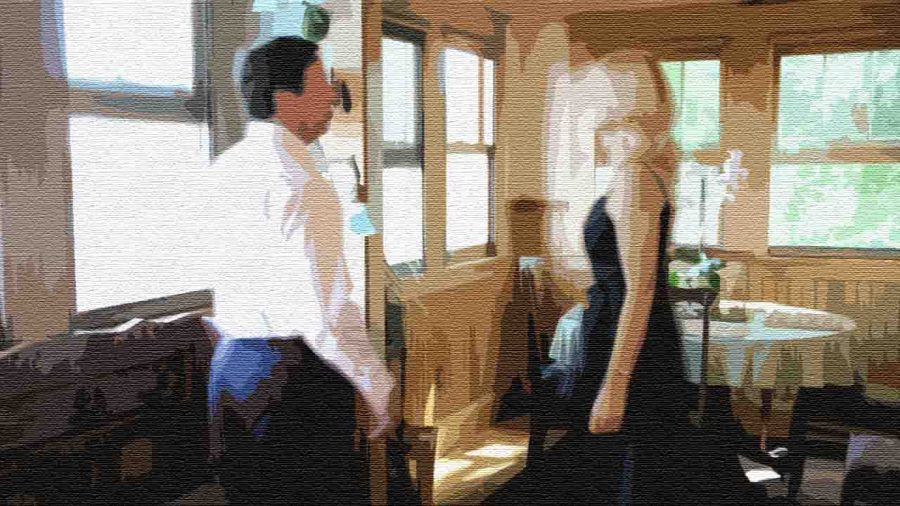
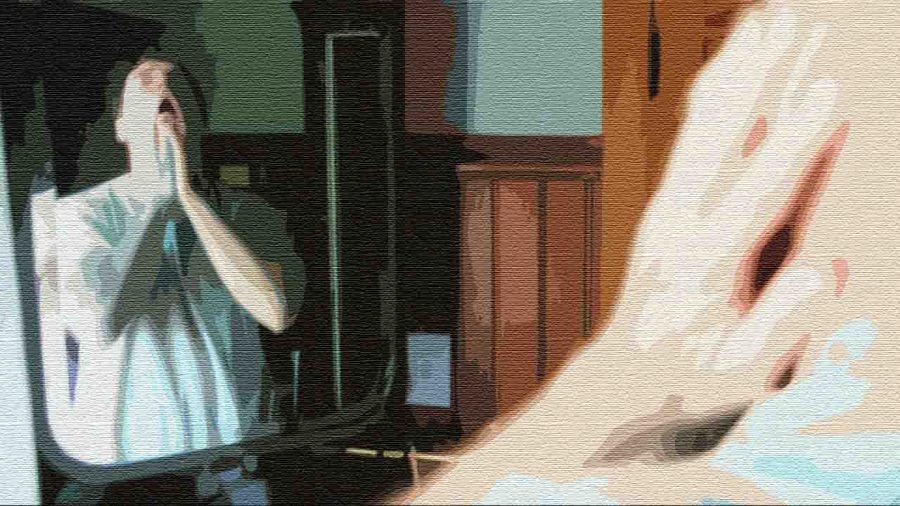
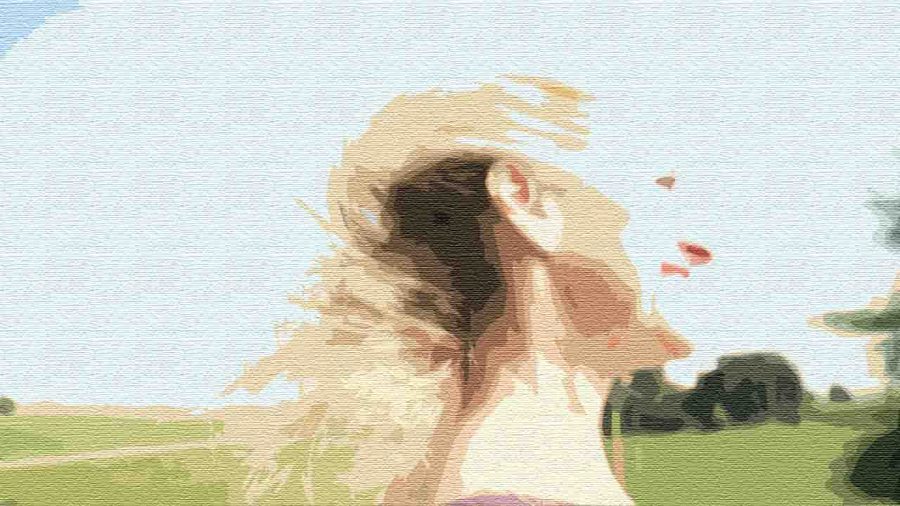
A book that reassembles itself by the hour.
midday · diurna
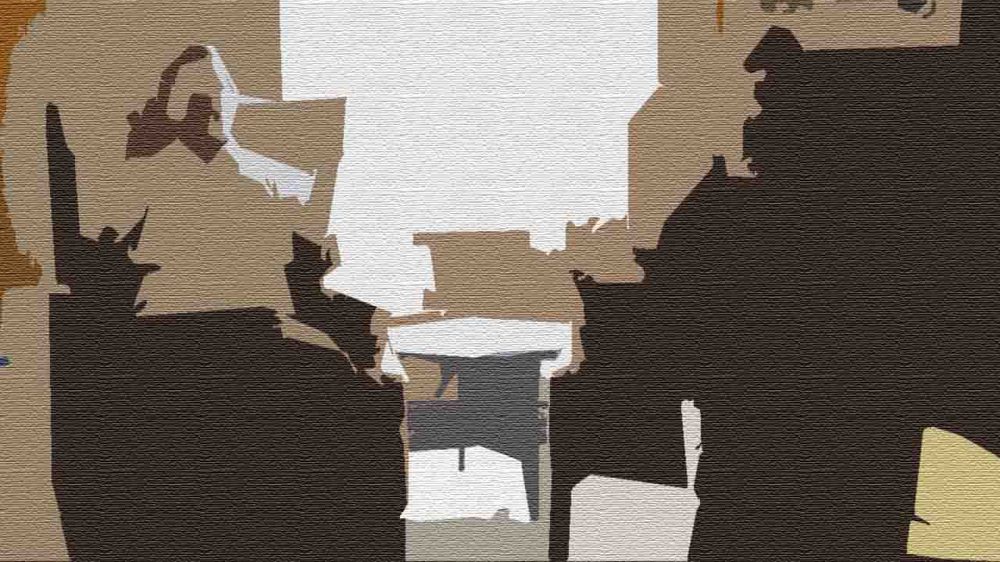
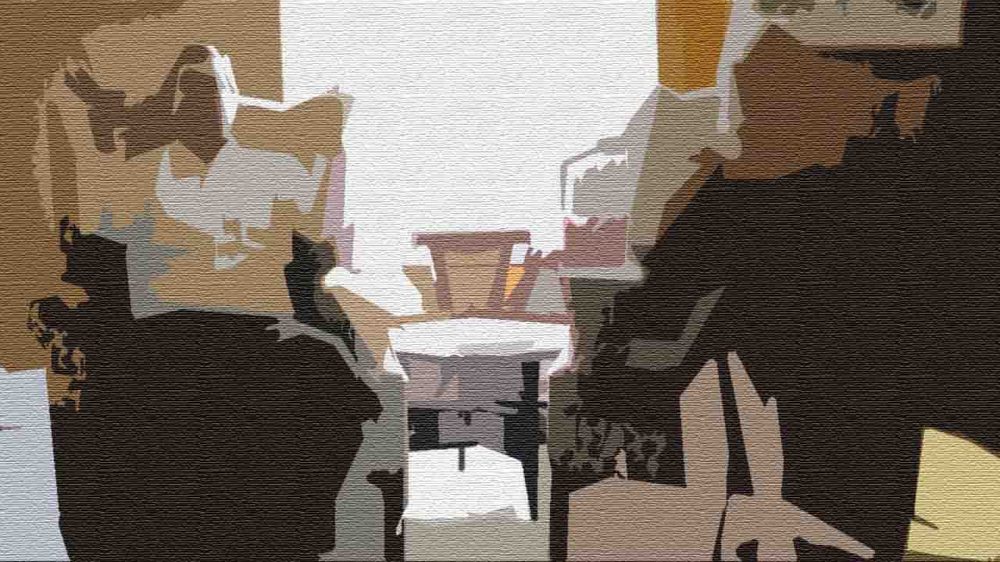
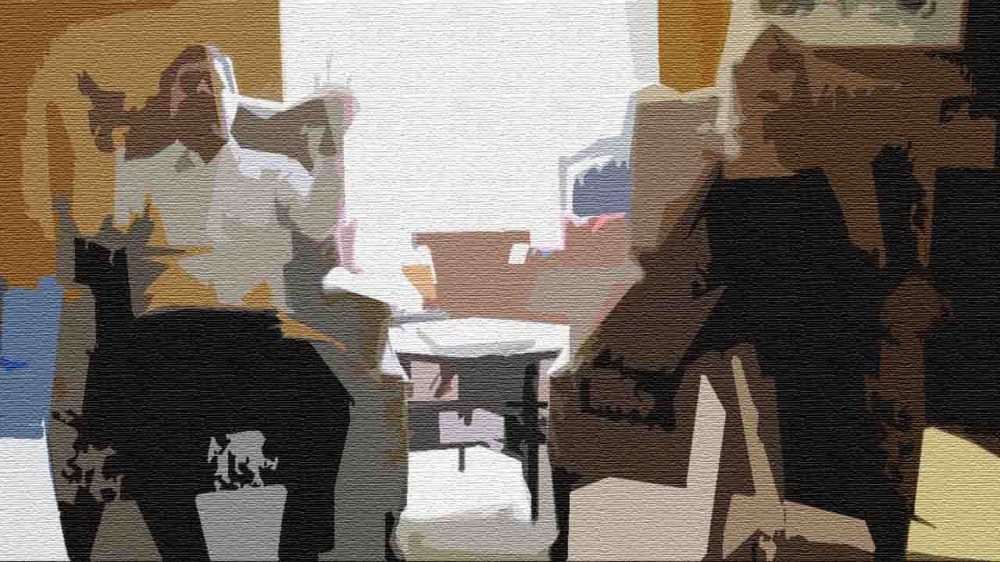
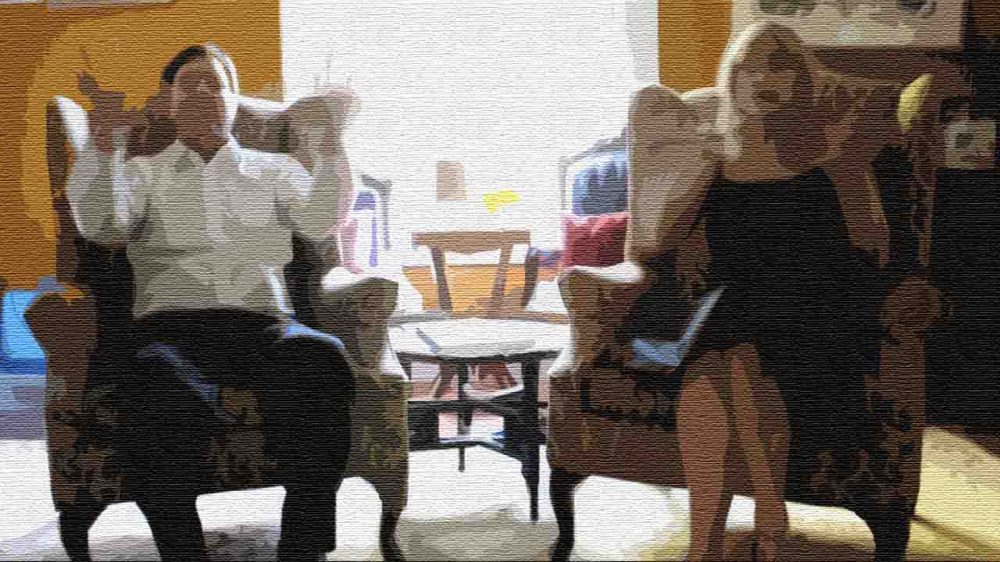
Set to your local hour — turn the clock and the image constructs and deconstructs, just as the work does.
Interactive poetry book & public installation · 2012–2013
Liber Rotavi sets 35 classical Spanish sonnets inside an audiovisual environment of more than 13,000 images and 120 pieces of music, combined by algorithm. It has no fixed form: it reconstructs itself differently every time it runs, driven by the computer's clock — from photorealistic clarity at midday to near-abstraction at 1 am.
Three things shift together across the day, in three versions — diurna, crepuscular, nocturna:
The image
Each scene has five states, dissolving from realism (midday) to flat abstraction (deep night).
The sonnet
The interior letters of every word scramble — legible by day, unintelligible by night. First and last letters hold; the mind still reads the rest.
The music
120 elements transform the same way, breathing with the hour.
Made with José de Jesús Del Toro. It can be read alone through a simple navigation of orbiting scenes, or projected as a work of public art.
Four sequences, thirty-five sonnets
Creación — the fascination and dilemma of making; memory against oblivion. Destrucción — mourning death without wholly losing hope. Tesoros — love and the memory of the beloved, celebrated. Ella — the voice shifts, and the beloved speaks of love and pain. Two opening sonnets and a closing one frame the book and turn its end back to its beginning. Throughout: creation and destruction, body and data, human spirit and technology, perception and fragmentation — a subtle digital ontology.


Scenes at their daytime level. Drag the clock in the hero and the same images deconstruct toward night.
The sonnets in print
The thirty-five sonnets have a life on paper too. They form Variaciones de la creación (Valparaíso Ediciones, 2022), the second collection by the Mexican poet and journalist Jesús Del Toro — endecasyllabic sonnets on life and death, memory and oblivion, creation and dissolution, nature and technology.
The manuscript was a finalist for the Poet in New York Prize (2020), and the book received an Honorable Mention at the 2024 International Latino Book Awards (Juan Felipe Herrera Best Poetry Book — One Author, Spanish). These literary distinctions belong to the printed book; the digital work carries its same sonnets into an audiovisual, algorithmic form.
In motion
Sound
Like the images and the sonnets, the music exists in levels that shift across the day.
A daytime track from Creación. The full set of level-based music at archive.org →
Run the work
Liber Rotavi shipped as a standalone program that reads your machine's clock and assembles the book in real time. It is a legacy build (Adobe Director, 2012).
A 2012 build, preserved as it shipped. Large (~630 MB, it carries its whole image and sound library); it may not run on the newest systems.
Presented
CONACULTA, 2012 — invited to the closing session of the II Simposio Internacional del Libro Electrónico en Español at the Museo Nacional de Antropología, Mexico City, on a panel with Consuelo Sáizar, Martín Caparrós and José Gordón; the talk, "Más allá del hipertexto: creación y presentación de textos variables," presented the ideas behind Liber Rotavi.
MICA, 2013 — invited by Argentina's Secretaría de Cultura de la Nación to the Mercado de Industrias Culturales, presenting Liber Rotavi.
Credits
Diego Bonilla — concept, programming, direction.
José de Jesús Del Toro — poetry.